Does your church facility maintenance plan feel more like wishful thinking than actual planning? If you’re staring at a growing list of repairs, outdated equipment, and no clear strategy for managing it all, you’re in good company.
Churches everywhere face this challenge, and here’s what I’ve learned after working with government agencies, private companies, higher education institutions, and countless churches: everyone struggles with facility maintenance planning.
The problem isn’t that you’re doing something wrong. The problem is that most people try to build the perfect plan instead of building the right plan for their situation.
Why “Perfect” Plans Fail
Picture this: You decide to track every asset in your building with real-time updates on condition, cost, and repair history. Sounds impressive, right? But three months later, your volunteer team is burned out, your tracking system is half-empty, and you’re back to reactive maintenance.
Sound familiar?
The issue isn’t ambition—it’s mismatched expectations. That comprehensive system might work for a large organization with dedicated facilities staff, but it’s overkill for a church with limited resources and volunteer help.
The key is to start where you are, not where you think you should be.
Step 1: Know What You’re Working With
Before you can maintain anything, you need to understand what you have. This means creating a simple inventory that includes:
- What assets are in your facility (HVAC systems, water heaters, lighting, kitchen equipment, flooring, electrical panels, security systems)
- Their current condition (working well, needs attention, or failing)
- Their age (when they were installed or last replaced)
Once you have this foundation, you can begin lifecycle planning—essentially preparing for when each item will need replacement so you can budget accordingly instead of scrambling for emergency funds.
Step 2: Understand Your Asset Lifecycles
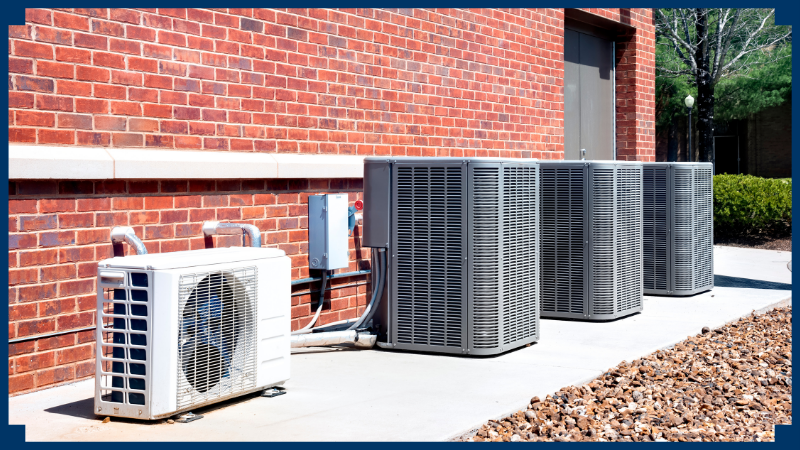
Let me tell you about a situation I see all the time: a church has a 25-year-old air handler. It’s well past its expected lifecycle, but they keep repairing it because they don’t want to spend the money on a new one.
At first glance, that might seem like the more budget-friendly option. But here’s the problem: every time that unit goes down, you’re spending money on repairs, losing staff time coordinating service calls, disrupting your church services or programs, and potentially making the building uncomfortable for your congregation.
And you might not be tracking all those hidden costs. Over time, those “band-aid” fixes could end up costing more than just replacing the unit.
Even if replacement isn’t in this year’s budget, tracking how often it fails and what you’re spending to keep it going can help you plan better—and avoid surprises. That’s what good lifecycle planning is all about.
Why the Building Experience Matters More Than You Think
Facility management isn’t just about keeping equipment running—it’s about removing barriers to ministry.
Imagine a first-time visitor entering your church on a sweltering Sunday morning. They’re already nervous about attending, and now they’re sitting in a sanctuary where the air conditioning has failed again. They spend the entire service uncomfortable, distracted, and wondering if they want to return.
You only get one chance to make that first impression.
Your building should support your ministry, not hinder it. When facilities are comfortable, safe, and well-maintained, pastors and volunteers can focus on what matters most: ministering to people.
Building Your Maintenance Plan: The Essential Components
Every effective church facility maintenance plan includes:
- Complete asset inventory – Know what you have
- Age and condition assessments – Understand what needs attention
- Routine maintenance schedules – Prevent problems before they start
- Work order tracking system – Document what’s been done
- Lifecycle budgeting – Plan for future replacements
Important: Don’t try to build all of this at once. Start with the asset inventory, then gradually add the other components. Trying to implement everything simultaneously often leads to burnout and abandoned plans.
Why One-Size-Fits-All Doesn’t Work
Every church is unique. Your historic building with a 60-year-old pipe organ has different needs than a modern facility with state-of-the-art equipment. Your volunteer-led maintenance approach requires different strategies than a church with dedicated facilities staff.
Generic checklists and cookie-cutter plans fail because they don’t account for your specific situation. When you build a plan based on your actual assets, capabilities, and resources, you set yourself up to:
- Reduce emergency breakdowns
- Stretch your maintenance budget further
- Use resources more wisely
- Keep people safe and comfortable
- Support your ministry more effectively
Getting Started: Three Simple Steps
If you’re feeling overwhelmed, don’t overthink it. Begin with these three foundational steps:
- Create an asset inventory – Walk through your building and list what you have
- Assess condition and age – Note what’s working well and what needs attention
- Start simple tracking – Use a basic spreadsheet or notebook to record maintenance and repairs
From this foundation, you can gradually build a more comprehensive plan that works for your church’s unique situation.
You Don’t Have to Do This Alone
At Foundational Facility Management, we specialize in helping churches develop practical, sustainable maintenance plans. Whether you’re starting from scratch, dealing with aging equipment, or frustrated because no one seems to “own” building responsibilities, we can help you create clarity and momentum.
Ready to take the first step? Download our free Monthly Inspection Checklist to begin identifying and assessing your assets.
Remember: the goal isn’t perfection—it’s progress. Start where you are, use what you have, and build a plan that actually works for your church.
Because this work matters. Not just because it protects buildings, but because it creates space for ministry to thrive.