We’ve all been. Something breaks and the immediate response is “We’ll band-aid it for now and deal with a real solution later.” In the moment, it feels like the easiest and most affordable solution.
But those quick fixes can start adding up in unplanned expenses. The HVAC unit that you keep limping along, the roof that has just a “small” leak, and the parking lot light that flickers but still works. These are all small issues that can eventually become big ones.
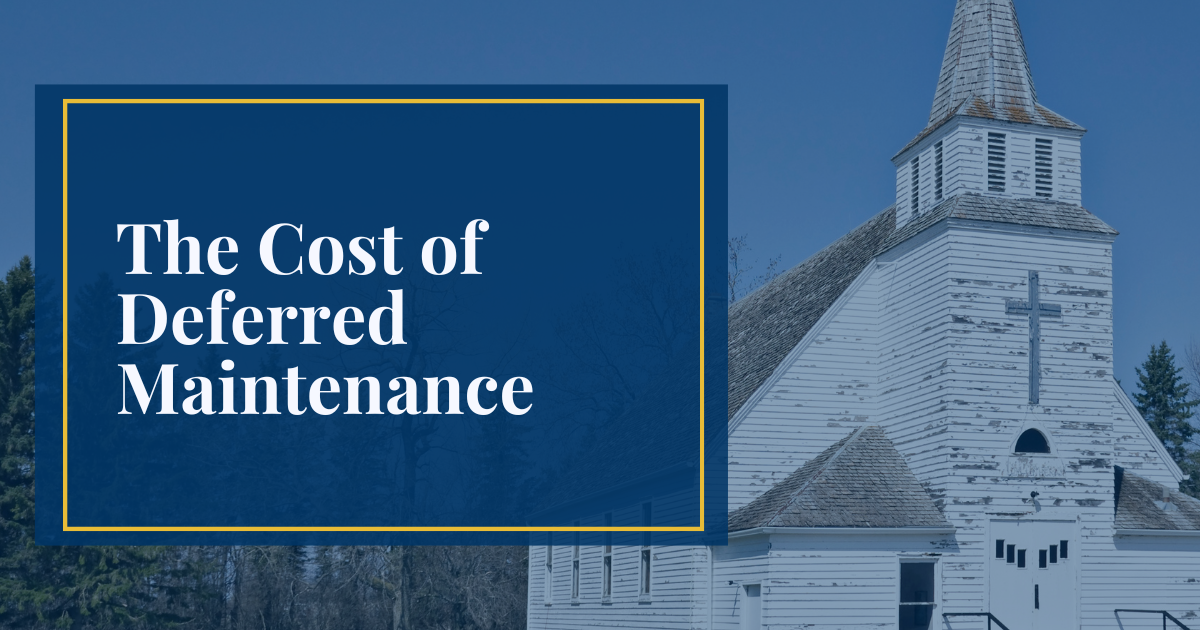
Deferred maintenance is simply delaying the needed maintenance, repairs, or replacements. It’s a common problem for churches due to things like tight building maintenance budgets and sometimes just not knowing what preventive maintenance needs to be done. But when repairs are delayed too long, they change from maintenance costs to more affordable replacement costs.
The Hidden Costs of Deferring Maintenance
Putting off maintenance costs might seem like a way to save money, but it often costs you more in the long run. Here’s why:
- Emergency repairs are expensive: When something breaks unexpectedly, that needs to be fixed quickly, like your furnace in the winter, you pay a premium for rush service, overtime labor, and expedited parts.
- Multiple failures happen at once: Deferred maintenance starts to pile up. When one system goes, others tend to follow and then they all hit your budget at once.
- Equipment wears out faster: Poorly maintained systems become less efficient. When filters and belts are changed, your HVAC equipment has to work harder. Eventually, this deferred maintenance shortens the lifespans of your building equipment, forcing you to replace them earlier than expected.
- Energy bills go up: Clogged filters and neglected HVAC units can quietly waste money in extra utility costs each year.
And let’s not forget about the added stress that you experience. Facility teams and church leaders are left reacting to constant problems. When you want to be focusing on ministry, your attention ends up getting pulled to the water leak in the ceiling or the tripping hazard in the sidewalk.
Deferred maintenance has a way of draining the church budget and the time and energy of those caring for it.
Preventive Maintenance is the Smarter Way to Steward a Church Building
Following a preventive maintenance schedule customized to your church facility is a way to spend more wisely. Regular inspections and routine upkeep can help you stay in control of when and how costs show up. This can allow you to split maintenance expenses up more evenly throughout the year to align better with church giving.
Scheduled preventive maintenance helps extend the life of your facility assets. HVAC, plumbing, and roofing that isn’t regularly maintained will deteriorate faster. For example, if the average lifespan of an air handler is 20-30 years and you don’t perform regular maintenance, you may only get 15 years out of it. That means you may have to purchase another air handler twice as fast as you could have if you had properly maintained it.
Being Intentional About Creating a Welcoming Space
A well-maintained building also helps create a more welcoming environment for your congregation, visitors, and community. You don’t want someone visiting your church and getting stuck in the elevator, tripping over a raised sidewalk, or being so hot they want to get up and leave. A cared-for building can help create a space where people can come together, connect, worship, and learn about God.
And it can be easy to throw out the “church isn’t a building” excuse, because it’s true. The church is the people, not the building. But your building is a huge blessing that can be used to spread the word of God and care for the community and neighborhood.
Lastly, as mentioned earlier, proactive maintenance can help reduce stress and unwanted budget surprises. You want to focus on your ministry, your message, and people. You don’t want to spend your time worrying about if the AC is going to work or lay in bed on a rainy night worrying about if the roof is leaking.
Preventive maintenance helps give you choices. Deferred maintenance takes those choices away.
Practical Ways to Move from Deferred to Preventive Maintenance
If you’ve been operating out of the “fix it when it breaks” mode, here are a few practical steps you can take to change that cycle:
- Take inventory of your building assets. Make a list of your major systems and building equipment (HVAC, roofing, flooring, plumbing, etc.) and note their age and condition. If you aren’t sure where to start, contact us to learn more about getting a Facility Condition Assessment done for your church building and grounds.
- Identify maintenance priorities. Start with the high-cost and high-impact systems, like the ones that would disrupt ministry the most if they failed. List out the maintenance that you know has been getting pushed to the back burner over and over again.
- Set a realistic schedule. If you’ve been deferring on maintenance for years, you may not be able to catch up all at once. Create a simple monthly or quarterly maintenance checklist. It doesn’t have to be complicated. Consistency is what matters most.
- Track repairs and costs. This can be as simple as a spreadsheet if you don’t already have software in place. Record what’s been done and when. This helps build visibility and gives you a clearer picture the next time you need to weight the option of repairing verse replacing equipment.
- Review your budget annually. Update expected replacement costs for major assets based on their remaining lifecycle and when it’s estimated they need to be replaced. This helps you set aside funds gradually to avoid those unexpected large replacement costs.
Choose one of these areas to focus on. Small steps add up. Even a modest preventive maintenance routine can help prevent costly surprises later.
It’s Not Just About the Building
Taking a proactive approach to maintenance isn’t just about keeping things running. It’s about creating a safe, comfortable, and welcoming space for ministry to happen.
If you’re not sure where your church stands, start with our quick Church Facility Quiz to identify your strengths and gaps.
Or, if you’d rather talk it through, schedule a free consultation. We’ll help you assess your facility’s current condition and what steps you can take to move from reactive to preventive maintenance at a pace that fits your resources and budget.