“Church” may not be a building, but what an incredible blessing having a building to use truly is. It’s a ministry tool that can serve your congregation and community in so many ways beyond Sunday services.
There are so many opportunities, both to generate income to offset facility costs and open your doors for community connection. Some ideas may even cost a little to implement but still help your church meet emotional, physical, social, and spiritual needs throughout the week.
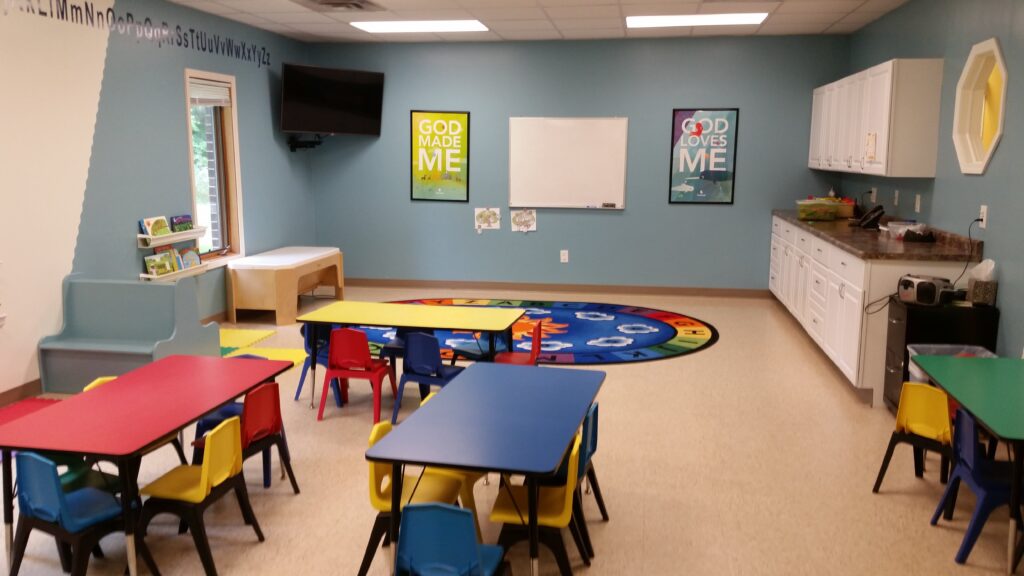
1. Daycare, Private School, or Homeschool Co-op
Educational programs like these need safe, welcoming spaces. Hosting them can create opportunities for people to step inside your church without feeling pressured to “go to church.”
All three of my daughters attended preschool at the church we attended. When I was a child, I went to a preschool in a church, too. We’ve also worked with churches that operate preschools and private schools. Some dedicate specific areas for school use, while others share space between the church and school.
These are used for many different reasons. An elderly relative of ours attended a church where the preschool’s rent helped keep the doors open. Other times, the preschool is a way to connect with families in the community. One school we saw was opened and run with the purpose of serving the less fortunate families of the community.
As a homeschool family, we’ve also seen the need for growing co-ops to have a place to gather for classes and connection. These groups often have flexible schedules that can adapt to your church’s needs, and they frequently lead families to get more involved with the church.
2. Gym Space or Multi-Purpose Rooms
Upward basketball, open gyms, hobby leagues, karate classes, fitness groups. Your church’s gym or multipurpose room could be used in countless ways. Many groups are happy to rent space in a safe, welcoming facility.
You could also host craft shows, neighborhood yard sales, or invite local organizations to use your parking lot for community events. These activities keep your church visible and active in the community throughout the week.
3. Groups and Gatherings
From Bible studies to MOPS (now known as MomCo) to hobby groups, your church can be a hub for connection.
For years, I led a weekly women’s Bible study that met at our church every Thursday night. It was a central, comfortable place to gather, especially when my kids were little and hosting at home wasn’t practical. The church didn’t charge for the space, but it created one more way for women to connect, invite others, and grow in community.
When our children were younger, I attended a MOPS group that met at our church. Many moms first came for connection and left with new friendships and interest in attending church. These gatherings are also great opportunities for church members to volunteer and serve others.
You can also offer space for interest-based groups like quilting, crafting, or even local nonprofit meetings. Small or large, each one provides a new way for people to interact with your church.
4. Commercial Kitchen Space
If your church has a certified commercial kitchen, you may be able to rent it out to small food businesses—like home bakers, caterers, or food truck owners—who need a licensed space to prepare food.
This can help offset some facility expenses, but it’s essential to talk with a tax professional first to make sure you understand local regulations and any impact on your church’s tax-exempt status (such as Unrelated Business Income Tax, or UBIT).
5. Sports Fields and Outdoor Space
If your church has land, consider how it could be used to serve your community. Walking trails, soccer fields, or even a disc golf course can bring people to your property throughout the week.
You could rent these spaces to local teams to help with grounds maintenance costs. Or, you can simply open them to the public as an outreach opportunity that encourages connection and stewardship of what God has provided.
6. Community Gardens
If you have land that’s not being used, consider starting a community garden. Volunteers can work together to grow food for the local community or a food pantry.
Fresh fruits and vegetables can be a blessing to people who are struggling to make ends meet. And, working in the gardens can provide a way for people to connect with staff or volunteers at your church.
7. Ask Your Congregation for Ideas
This is one of the most overlooked opportunities.
Churches often run like businesses—and in some ways, that’s necessary—open the ideas up to your members and not just your leadership team. Your church is made up of people who God made to be creative, gifted, and passionate about different things. Imagine the ideas they might have for using your building to serve others during the week!
Have meetings, hand out feedback cards, and ask for input. Talk to people in your community to learn about local needs, then explore how your church can meet those needs with the resources you already have.
The church isn’t the building, but if you’ve been entrusted with one, it’s your responsibility to use it well to serve your congregation and your community. Can you imagine how people might begin to think differently and be more open to hearing what’s being talked about during weekend services because they saw the way the people of the church were moving in action all week long?
You can get creative, too. We’ve spoken with churches that rent space to other congregations—some at alternate times and others in separate areas of the building. Don’t be afraid to think outside the box.
The Building is a Blessing
Something I’ve noticed over the years is the tendency of some church leaders to close the church off. Maybe the rooms are all locked throughout the week. Maybe the resources in the building are only accessible to certain staff members. And sometimes it’s tempting—once everything’s cleaned up after Sunday service—to want to keep it that way so it doesn’t have to be done all over again.
But what are we doing here? Yes, the building needs to be safe and secure, and that does bring challenges when opening the doors to more activities, groups, and people. But what if we chose to rise to the challenge, one step at a time, instead of reverting back to how it’s always been done?
Let’s continue to find new ways to be the hands and feet of Jesus to the people in our churches and our community, even if it means working a little harder or getting a few more volunteers to help keep the facilities running well.
It’s completely understandable if your first thought is, “That sounds great, but we could never do all that.” Every church has its own set of challenges—limited staff, small budgets, insurance requirements, and safety concerns. Opening your building more often does come with added responsibility, so it’s wise to move slowly and plan well.
Start small
Maybe by opening one room for a local group or hosting one community event—and build from there as your systems and volunteers grow. Before launching anything new, be sure to review your insurance policy, confirm coverage for outside groups, and talk with a tax professional about potential implications for your church’s nonprofit status or Unrelated Business Income Tax (UBIT). Taking these steps helps protect your church while allowing you to confidently use your building as a ministry tool throughout the week.
The same intentionality that goes into maintaining your building can help you use it in ways that strengthen ministry, community, and connection. At Foundational Facility Management Consulting, we love helping churches think through how to keep their buildings safe, welcoming, and used for ministry all week long. If you’re ready to start planning how that could look for your church, we’d love to connect.